Replacing fence panels can feel overwhelming, but it doesn’t have to be. This comprehensive guide from All Counties Fence & Supply offers practical steps and insights to make the process easier for homeowners and property managers alike. Understanding when and how to replace your fence panels can enhance your property’s value and security.
All Counties Fence & Supply has been serving Riverside, California, for years, providing quality fencing solutions tailored to the needs of the community. With a rich history of craftsmanship, their expert team can help you choose the right materials and styles to align with your goals.
A well-maintained fence is vital for establishing good relations with neighbors and ensuring privacy. By following this guide, property owners can confidently navigate the panel replacement process and achieve a beautiful, functional result that enhances their home and community.
Signs It’s Time to Replace Your Fence Panels
Recognizing when to replace fence panels is crucial for maintaining property value, security, and aesthetics. Specific signs can indicate the need for replacement and ensure that the fence serves its purpose effectively.
Visible Damage: Cracks, Splits, or Rot
Visible damage is a primary indicator that fence panels may need replacement. Cracks and splits weaken the structure, increasing vulnerability to further damage. Rotting wood is particularly concerning as it can lead to structural failure.
Fences made from wood are susceptible to rot due to exposure to moisture. Signs of rot include soft spots and discoloration. Homeowners should inspect for these issues regularly to avoid extensive repairs. If significant damage is observed, replacing the affected panels will help restore the integrity of the fence.
Fence Panels Are Loose or Leaning
Loose or leaning panels can compromise the function of a boundary fence. Panels should stand straight and firm. When they are shifting, it may suggest a weakened framework or erosion of the support posts.
A leaning panel may indicate stress from weather or ground movement. If left unaddressed, this could lead to further instability. Homeowners must assess if repairs will suffice or if full panel replacement is necessary. A well-maintained fence enhances safety and privacy, making it essential to act quickly on any signs of loosening or leaning.
Unwanted Gaps or Deformation
Unwanted gaps or deformation can significantly affect the fence’s effectiveness. Spaces between panels can allow animals or intruders to enter the property, diminishing the fence’s security function.
Additionally, distortion in panels can arise from factors such as age or severe weather. If the panels no longer fit tightly together, it is time to consider replacement. Regular inspections will help catch these issues early, ensuring the fence remains a good barrier. Good fences play a vital role in property protection, making timely action indispensable.
How to Replace Your Fence Panels: Step-by-Step Instructions
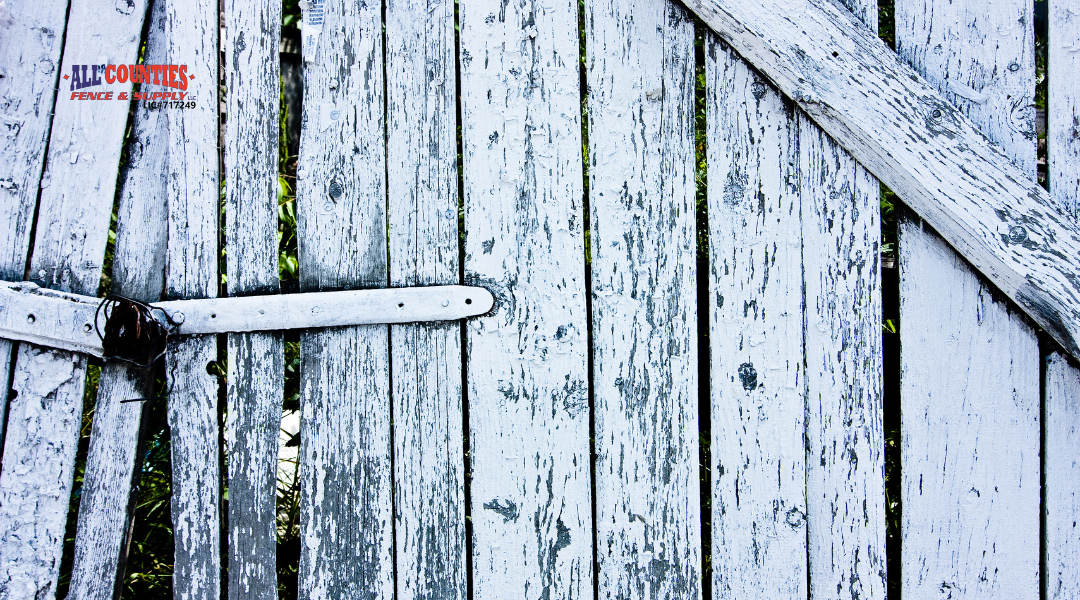
Replacing fence panels can restore both function and appearance to a fence. The process involves gathering tools, removing damaged panels, installing new ones, and reinforcing the structure for added stability.
Gather the Necessary Tools and Materials
Before starting, it is essential to assemble the right tools and materials. This preparation ensures a smooth replacement process.
Tools needed:
- Screwdriver or drill
- Hammer
- Level
- Tape measure
- Pry bar
Materials needed:
- New fence panels
- Fence posts (if necessary)
- Screws or nails
- Wood adhesive or sealant (optional)
Make sure to choose fence panels that match the existing style and size. Having everything on hand before beginning will save time and make the task easier.
Remove the Damaged Fence Panel
To replace the damaged fence panel, the first step is to remove it. This involves carefully detaching it from the posts.
Begin by checking for screws or nails that hold the panel in place. Use a screwdriver or drill to remove these fasteners. If the panel is stubborn, a pry bar can help loosen it from the posts.
Once the fasteners are out, gently pull the panel away from the fence. Be cautious, as panels can sometimes break during removal. If the existing posts are damaged, those may need replacing as well.
Install the New Fence Panel
Installing the new fence panel requires careful alignment and secure fastening. Begin by placing the new panel into position between the existing posts.
Ensure that it’s level by using a level tool at the top of the panel. Adjust as necessary until the panel is straight. Once aligned, attach the panel using screws or nails, ensuring they penetrate deep enough for stability.
Check the panel again for levelness after fastening. Make any small adjustments if needed. Secure connections will allow the panel to withstand wind and other elements.
Reinforce the Fence Structure
After installing the new panel, it’s wise to reinforce the entire fence structure. This step enhances durability and can prevent future issues.
Inspect the other panels and posts for signs of wear. Replace any that show damage. Adding a layer of wood adhesive or sealant to joints can also improve strength.
For additional reinforcement, consider installing support braces at the base or middle of taller panels. Finally, regularly maintaining the fence can prolong its lifespan and prevent the need for frequent repairs.
Choosing the Right Replacement Fence Panels

Selecting the right fence panels is crucial for enhancing curb appeal, ensuring privacy, and maintaining functionality. A careful choice can improve the home’s look and provide the needed protection and utility.
Consider Your Fence Material: Wood, Vinyl, Iron, etc.
The type of material impacts both appearance and performance. Wood panels provide a traditional aesthetic, offering warmth and charm, but may require more maintenance. Regular painting or staining is essential to prevent rot.
Vinyl panels are popular for their durability and low maintenance. They resist fading and do not require painting, though they can be less visually customizable compared to wood.
Iron panels are excellent for security and have a strong visual impact. They require periodic maintenance to prevent rust but offer longevity and sturdiness.
Matching Style and Design for Consistency
A cohesive look enhances curb appeal and can increase property value. When replacing fence panels, it’s important to match them with the existing style of the fence and the overall architecture of the home.
For example, if the house has a modern design, sleek vinyl or aluminum panels would fit well. Traditional homes may benefit from classic wood panels, particularly in styles like picket or privacy fences.
Colors and finishes should harmonize across all visible surfaces. This attention to detail creates a unified look that reflects quality and care.
Durability and Maintenance Considerations
Durability is crucial when selecting replacement panels. It affects long-term costs and the upkeep effort required.
Wood panels can last many years if properly cared for, but they need regular inspections and treatments.
Vinyl, on the other hand, offers a nearly maintenance-free option, but it may be susceptible to cracking in extreme temperatures.
Iron panels are very durable, but they require anti-rust treatments every few years.
Ultimately, the right material choice balances aesthetics with the expected level of maintenance, ensuring that the fence remains functional and visually appealing for years to come.
Common Mistakes to Avoid When Replacing Fence Panels
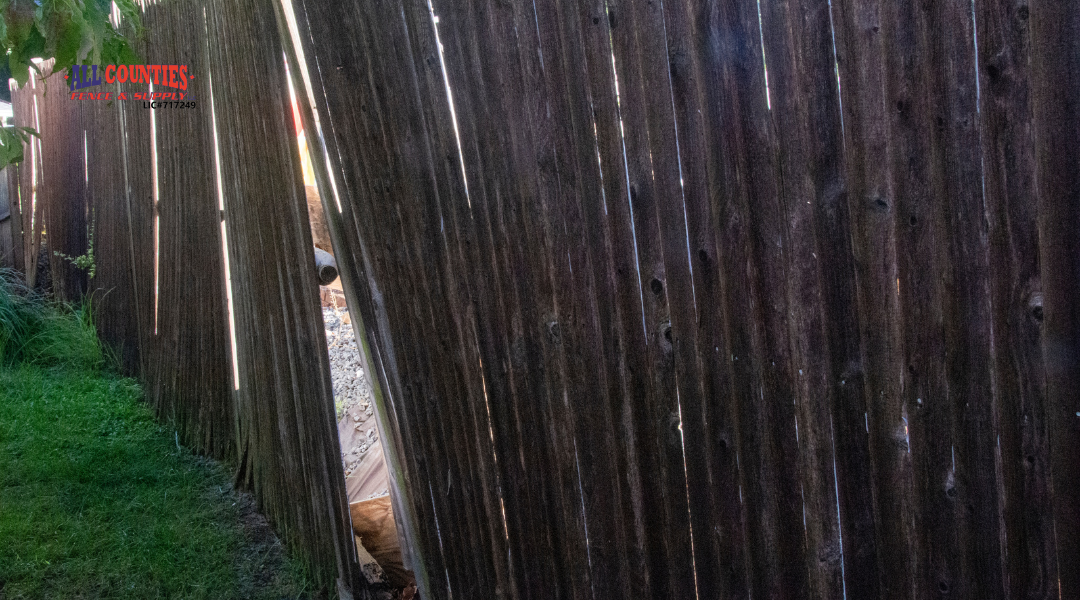
Replacing fence panels can be straightforward if done correctly. However, certain mistakes can lead to additional costs and wasted time. This section highlights common pitfalls to avoid during this process.
Installing the Wrong Size or Type of Panel
Choosing the incorrect size or type of fence panel is a common mistake. Each fence design has specific panel requirements based on height, width, and material. When selecting panels, homeowners should measure the existing fence line accurately and ensure the panels are compatible with the fence style.
For example, using wooden panels in a vinyl fence setup can lead to stability issues. It is important to check local codes, which may dictate panel specifications. Failing to do this can result in extra expenses and delays in construction. Taking the time to choose the right panels will pay off in durability and aesthetics.
Skipping the Fence Post Check
Before installing new panels, it is crucial to inspect the fence posts. Neglecting this step can lead to problems down the line. Fence posts must be sturdy and stable to support the new panels properly. If the posts are damaged or rotting, they should be replaced before adding new panels.
Homeowners should take the time to ensure posts are securely anchored in the ground. Checking for any signs of instability can save future repair costs. Whether using metal or wooden posts, quality matters. This step ensures that the entire fence structure remains strong and secure.
Rushing the Process
Rushing through the panel replacement process can result in poor installation. Taking shortcuts may seem tempting, but it usually leads to mistakes that are costly to fix. It is essential to follow each step of the installation carefully, including measuring, cutting, and securing the panels.
When working quickly, it is easy to overlook critical aspects like alignment and spacing. This can cause the fence to look unprofessional or even fail under stress. Setting aside enough time for each phase of the project helps maintain quality and ensures a long-lasting result. Patience and attention to detail will lead to a well-installed fence.
When to Call a Professional Fence Contractor
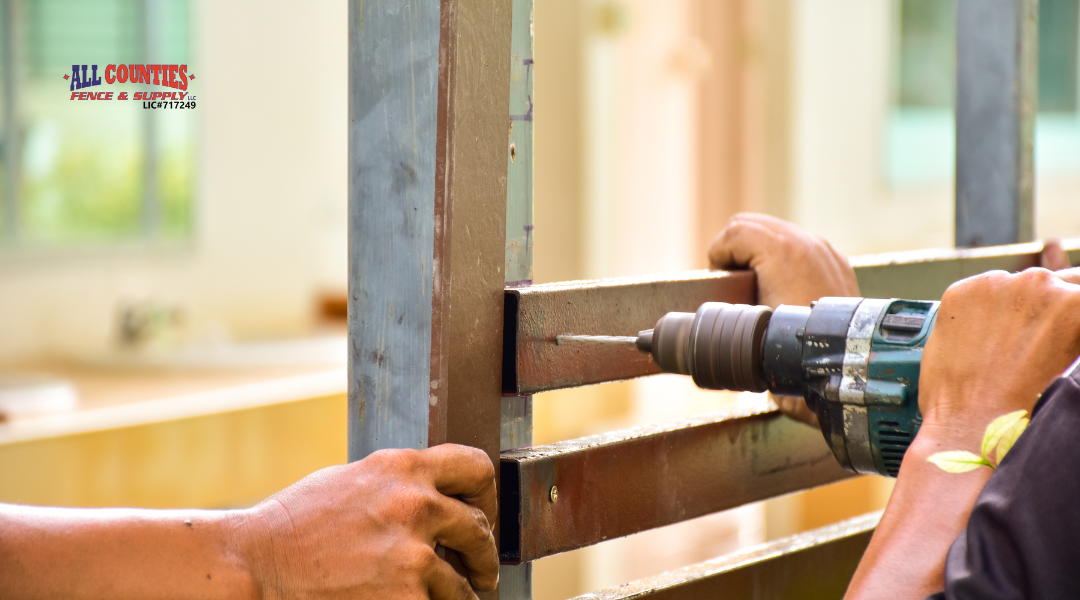
Certain situations clearly indicate the need for professional help when replacing or installing fence panels. Understanding these scenarios can save time and ensure projects meet local regulations.
Complex Fence Designs or Large-Scale Projects
When the fence design is intricate or the project is extensive, hiring a professional is typically necessary. Complex designs may include unique shapes, multiple levels, or specialized materials. These factors require skill and experience to execute properly.
Large-scale projects can involve many panels, extensive yard space, or challenging terrain. Contractors can navigate fencing laws and local ordinances better. They also understand permit requirements that may apply.
Engaging a contractor ensures the project is completed to code, minimizing risks. This is vital when projects involve a building permit and need adherence to local building department rules.
Lack of Time or Expertise
Individuals often find that they lack the time or expertise needed for a fencing project. Many homeowners juggle jobs and family, making it hard to dedicate time to installations.
Without a solid background in building or construction, mistakes can happen. These errors can lead to improper installation, which might violate local regulations.
Hiring a contractor streamlines the process, saving time and worrying about necessary permits. They bring skills and tools to the job, ensuring quality standards are met. فUsing a professional can lead to a much smoother experience.
Expert Tips for Extending the Life of Your New Fence Panels
Taking care of new fence panels is essential for longevity and durability. Proper maintenance and protective measures can significantly prolong the life of various types of fencing materials.
Regular Maintenance and Inspections
Regular upkeep is key to extending the life of fence panels. Every few months, check for any visible signs of wear and tear. Look for loose boards, rust on metal components, or cracks in vinyl.
Make sure to clean the panels using a soft brush and mild detergent. For wooden fences, pay close attention to the base where moisture can accumulate. Applying a wood preservative can also help to prevent issues like rot or insect damage.
In addition, trim any vegetation that may come into contact with the panels. This helps to reduce moisture retention and keeps the fence looking neat.
Protecting Wood Panels with Sealant or Paint
Wooden panels require special care to resist the elements. Applying a high-quality sealant or paint can create a protective barrier against moisture, UV rays, and pests.
Choose a product specifically designed for outdoor use. It’s best to apply sealant or paint every few years, depending on the climate and weather conditions in the area. Make sure the wood is clean and dry before application to ensure proper adhesion.
For added effectiveness, choose a color that reflects sunlight. Dark colors tend to absorb heat, which can lead to warping over time.
Treating Metal and Vinyl Panels for Durability
Metal and vinyl panels need their own specific maintenance. For metal fences, inspect regularly for signs of rust. If rust appears, promptly sand it down and apply a rust-inhibiting primer followed by weather-resistant paint.
Vinyl panels are generally low maintenance but should still be cleaned at least once a year. Use a soft cloth and mild soap to remove dirt, grime, and mildew. Avoid abrasive cleaners that might scratch the surface.
Both types of fencing can benefit from protective coatings, which can enhance durability. Choosing materials with UV resistance can also ensure that colors remain vibrant over time.
Conclusion
Replacing fence panels can enhance both the appearance and functionality of a property. Choosing the right materials and methods is crucial for success.
Homeowners should consider several factors during the replacement process:
- Material Selection: Options include wood, vinyl, and metal. Each has its advantages and costs.
- Design and Style: The chosen design should complement the home’s architecture.
- Professional Assistance: Hiring a qualified fence contractor, like those from All Counties Fence & Supply, ensures quality work and durability.
Proper maintenance after installation is also important. Regular checks for damage and wear can prolong the fence’s life.
Ultimately, a well-executed fence replacement provides security and enhances property value.