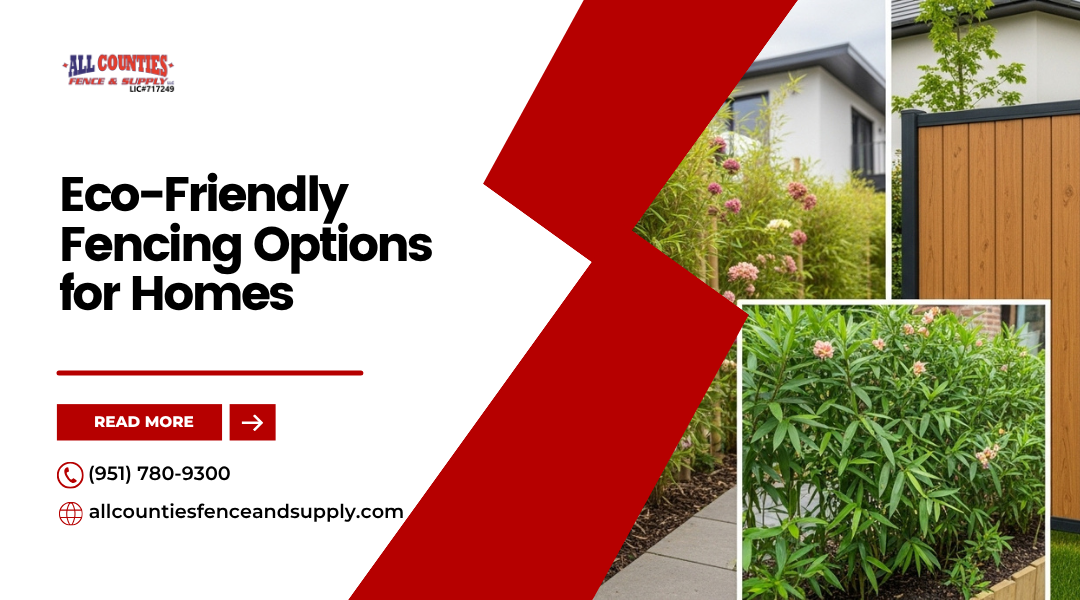
As a homeowner who cares about the environment, you may wonder how your fencing choices impact the planet. Eco-friendly fencing options not only enhance your property but also contribute to a healthier ecosystem. You can choose sustainable materials that reduce your carbon footprint and promote environmental conservation.
At All Counties Fence & Supply, we specialize in providing fencing solutions that align with eco-conscious values. Whether you’re interested in natural wood, recycled vinyl, or other sustainable materials, we ensure that your choices combine durability with environmental responsibility. Our commitment has earned us numerous five-star reviews from satisfied customers who appreciate both the quality of our installations and our dedication to eco-friendly practices.
Explore the variety of eco-friendly options available for your home and discover how you can make a positive impact while enhancing your outdoor space. Choosing the right fence doesn’t just protect your property; it can also represent your values and commitment to sustainability.
What Makes a Fence Eco-Friendly?
Choosing an eco-friendly fence involves understanding the materials and processes that contribute to its sustainability. Key factors include the use of sustainable materials, recyclability, and energy-efficient manufacturing methods.
Sustainable Materials and Low-Impact Production
Eco-friendly fences often use sustainable materials like bamboo, recycled wood, and composite materials. Bamboo is a strong, renewable resource that grows quickly, making it an excellent choice. Recycled wood reduces waste by giving old materials a new life.
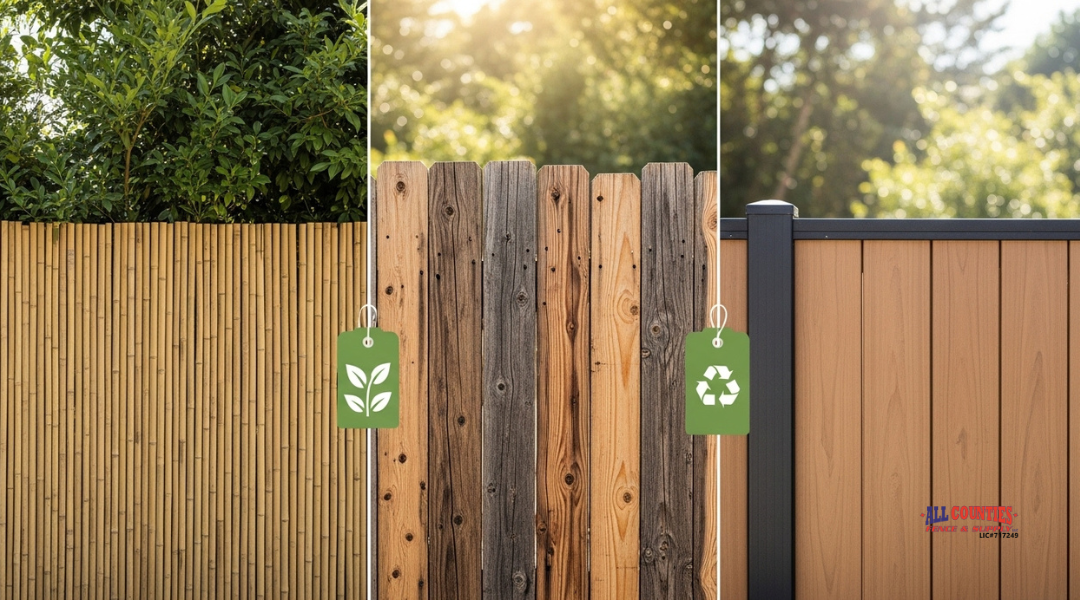
Composite fencing combines recycled wood and plastic, creating a durable product that mimics the look of traditional wood without the related environmental harm. Materials sourced from responsibly managed forests also fall under this category. Low-impact production processes minimize harm to the environment by reducing emissions and waste during manufacturing.
Recyclability and End-Of-Life Disposal
An eco-friendly fence should be recyclable or biodegradable at the end of its life. Many “green” fence options, like composite materials, can be repurposed or recycled. This helps to reduce landfill waste significantly.
For example, aluminum fencing is highly recyclable, allowing you to reuse the material rather than sending it to the dump. Always check local recycling guidelines to see how to dispose of your fence materials correctly.
Choosing recyclable materials not only contributes to a sustainable environment but also encourages responsible consumer behavior in your community.
Energy Efficiency in Manufacturing and Transport
The energy used in manufacturing and transporting fencing materials makes a significant environmental impact. Eco-friendly fences are often produced using less energy, which reduces the carbon footprint associated with their creation.
For example, some manufacturers rely on renewable energy sources, like solar or wind power, to run their operations. Additionally, selecting locally sourced materials can decrease transportation energy, as shorter distances mean lower emissions.
When selecting your fencing, look for companies that prioritize energy efficiency in their production and delivery processes to ensure an eco-friendly option.
Top Eco-Friendly Fencing Materials
When choosing eco-friendly fencing materials, you have several great options that are both sustainable and stylish. These materials not only help protect the environment but also enhance the aesthetics of your home.
Bamboo Fencing – Fast-Growing and Stylish
Bamboo fencing is an excellent choice for those who want a unique look without harming the planet. Bamboo grows quickly, making it a renewable resource that can be harvested without causing deforestation.
It is lightweight yet strong, perfect for gates and enclosures. Bamboo is also naturally resistant to pests, which means it requires fewer chemicals during its production.
With its natural beauty and versatility, you can use bamboo fencing in various designs. It complements garden landscapes and can serve as a decorative privacy screen. If you want a fence that stands out while remaining eco-friendly, bamboo is a top choice.
Reclaimed Wood – Rustic Charm with a Past
Reclaimed wood fencing offers not just a commitment to sustainability but also a unique charm. This type of fencing is made from salvaged wood, often sourced from old barns or buildings.
Using reclaimed wood reduces waste and cuts down on the need for new lumber. Each piece carries its history, giving your yard a rustic appeal that new wood cannot replicate.
You can find reclaimed wood in various styles for your fencing options, allowing customization for both aesthetic and functional needs. This type of wood can be treated for durability, making it suitable even for dog fences or more robust boundaries.
Composite Fencing – Recycled Content, Low Maintenance
Composite fencing is becoming increasingly popular due to its blend of recycled materials and low maintenance needs. Made from a mix of wood fibers and recycled plastics, this eco-friendly option combines strength with durability.
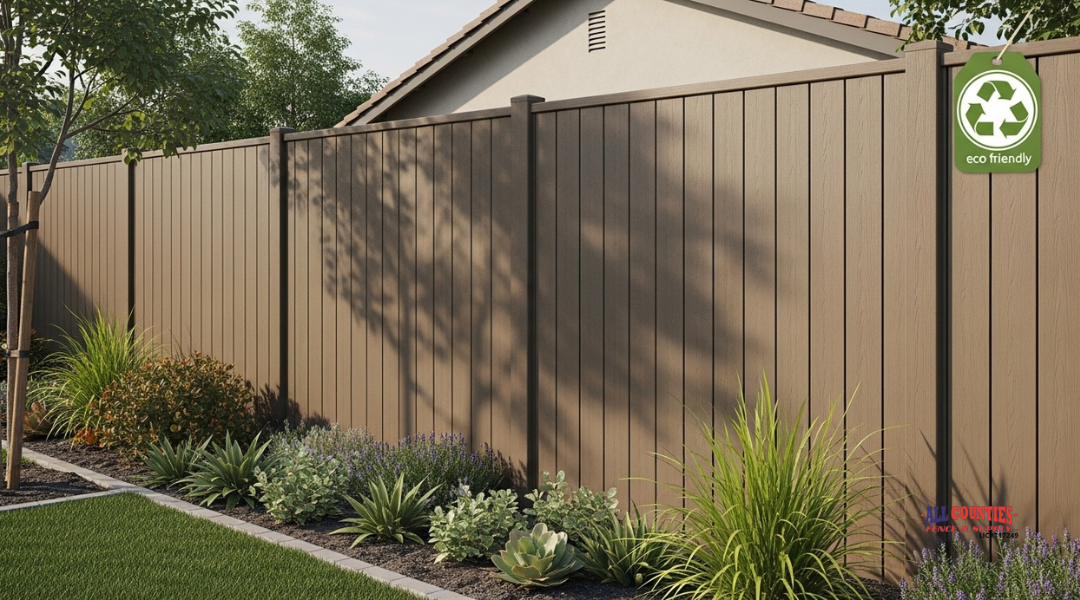
Composite fences resist warping, splintering, and rotting, making them ideal for long-lasting installations. They come in various colors and styles, so you can match them to your home or landscape.
This option requires little upkeep over time, meaning you can spend less time maintaining and more time enjoying your outdoor space. Composite fencing is perfect for anyone looking for an aesthetic that aligns with their green values.
Natural Plant-Based Fences – Living Green Barriers
Natural plant-based fences, such as hedges and living walls, are beautiful and effective. These living green barriers not only mark property lines but also provide privacy and noise reduction.
You can use various plants for this type of fencing, including shrubs, vines, and even trees. Options like vines on a trellis or thick shrubbery can create excellent visual barriers.
Plant-based fences also support local wildlife, providing habitats for birds and insects. If you want a fence that contributes to biodiversity while enhancing your yard’s beauty, natural plant-based options are a perfect fit.
Comparing Environmental Impact: Traditional vs. Eco Fencing
When choosing a fence, it’s essential to consider the environmental impact of the different materials available. Traditional options, like wood and vinyl, often have significant footprints. In contrast, eco-friendly alternatives can offer a more sustainable path for your home.
Vinyl, Wood, and Chain-Link Footprints
Vinyl fences are popular, but they have a significant environmental cost. The production of vinyl involves fossil fuels, contributing to greenhouse gas emissions. Plus, vinyl does not decompose, leading to landfill waste.
Wood fences require trees, which can lead to deforestation if sourced unsustainably. However, responsibly sourced wood can minimize this impact. On the other hand, chain-link fencing, often made from steel or aluminum, can be recycled, which reduces its long-term effect on the environment.
Ultimately, while traditional wood and vinyl may serve their purpose, eco-friendly options like aluminum fencing can alleviate some of these concerns.
Water Use, Chemical Treatments, and Emissions
Wood fences often require chemical treatments to protect against rot and pests. These chemicals can leach into the soil and waterways, harming the environment. Additionally, maintaining a wood fence demands water, especially when treating or staining.
Vinyl fencing lacks the need for such treatments, which reduces chemical runoff. However, the production process is still resource-intensive. In contrast, aluminum fencing features minimal emissions and requires no chemicals, making it an eco-friendly choice.
Chain-link fencing also has lower chemical needs and can be made from recycled materials. By selecting eco-friendly options, you can reduce your environmental impact while achieving your fencing goals.
Benefits of Choosing Eco-Conscious Fencing
Selecting eco-conscious fencing brings several advantages. You can enhance your property’s value and appeal while making a positive impact on the environment. These benefits extend to your wallet, offering long-term savings and durability.
Lower Environmental Footprint
Eco-friendly fencing materials, such as reclaimed wood and recycled vinyl, significantly reduce your carbon footprint. By choosing sustainable options, you help conserve natural resources. Each type of eco-conscious fence minimizes deforestation and pollution during production.
Installing a privacy fence made from these materials ensures you create a natural barrier. This not only helps the environment but also provides the privacy and security you desire. Many modern eco-friendly fences are sourced from managed forests or recycled products, making them a smart choice for conscientious homeowners.
Long-Term Cost Savings and Durability
While initial costs may vary, eco-conscious fencing offers long-term savings. Durable materials require less maintenance, reducing long-term repair or replacement costs. For instance, a quality fence made from recycled vinyl typically lasts longer than traditional wood, which may warp or decay over time.
Your investment in a durable, eco-friendly option also means less frequent replacements. This can lead to significant savings, making it a cost-effective solution for your home. By choosing quality, you ensure your fence withstands the elements while providing safety and aesthetic appeal.
Boosting Property Appeal and Market Value
Installing eco-friendly fencing can significantly boost your home’s curb appeal. An attractive fence is an essential element of your landscape design. Whether it’s a stylish pool fence or a superior privacy fence, your choice adds charm and style.

In addition to aesthetics, this choice can enhance your home’s market value. Buyers appreciate properties with sustainable features, looking for homes that resonate with their values. This added value can make your home more appealing should you decide to sell in the future. Investing in eco-conscious fencing benefits both your daily life and your property’s worth.
Local Considerations for Eco-Friendly Fences in Riverside
When choosing an eco-friendly fence in Riverside, it’s important to consider the climate, local regulations, and how your fence will fit into the surrounding landscape. These factors can affect not only the durability of your fencing materials but also their environmental impact.
Climate Suitability and Material Longevity
Riverside enjoys a Mediterranean climate, characterized by hot, dry summers and mild, wet winters. This climate plays a crucial role in selecting the right fencing materials.
Best Materials Include:
- Reclaimed Wood: Offers a rustic look and withstands Riverside’s climate well.
- Metal Fencing: Aluminum and steel are durable options that resist weathering.
- Composite Materials: Made from recycled plastics, these can withstand harsh temperatures.
In your selection, consider how long the materials will last in Riverside’s conditions. A fence that requires less maintenance and lasts longer helps reduce your environmental footprint.
City Codes, HOAs, and Permits
Before installing your eco-friendly fence, check local regulations. Riverside may have specific building codes and homeowner association (HOA) rules regarding fence height, materials, and styles.
Key Steps:
- Research Local Codes: Understand what’s allowed in your area.
- Check HOA Guidelines: Ensure your choice aligns with community standards.
- Obtain Permits: Some installations require a permit, so plan ahead.
Following these steps will help you avoid fines and ensure your project proceeds smoothly.
Native Landscaping Integration
Your fence should harmonize with the surrounding landscape. Incorporating native plants not only enhances your yard but supports local wildlife.
Consider These Features:
- Horse Corrals: If you have horses, opt for fences that securely enclose them while allowing visibility.
- Glass Walls: These can provide a modern touch and maintain views, blending with natural surroundings.
- Native Plants: Use drought-resistant species around your fence to reduce water usage and promote local biodiversity.
By thoughtfully integrating your fence with native landscaping, you create a sustainable environment that reflects your commitment to eco-friendliness.
Maintenance Tips for Sustainable Fences
Caring for your sustainable fence is crucial to ensure its longevity and appearance. The right maintenance methods can help you avoid harsh chemicals and extend the life of your eco-friendly materials. Here are some practical tips to keep your sustainable fence in optimal condition.
Eco-Friendly Sealants and Finishes
Using eco-friendly sealants and finishes can protect your fence without harming the environment. Look for products labeled as low-VOC (volatile organic compounds) or water-based. These sealants help prevent damage from moisture and UV rays.
Apply sealants every couple of years for optimal protection. Proper application is vital, so follow the manufacturer’s instructions closely. Ensure the fence is clean and dry before applying any product. This helps the sealant adhere better and provides a strong barrier against the elements.
If you’re unsure about which sealant to choose, ask your contractor for recommendations. In Riverside, All Counties Fence & Supply can guide you to suitable options that align with your eco-friendly goals.
Cleaning Without Harsh Chemicals
Regular cleaning is important for maintaining your fence, but you should avoid harsh chemicals. Instead, opt for a mixture of warm water and mild soap for basic cleaning. This combination effectively removes dirt and grime without harming the environment.
For tougher stains or mold, use a solution of vinegar and water. Spray it on the affected area and let it sit for a few minutes before scrubbing gently with a soft brush. This method is safe and effective, ensuring the longevity of your fence’s materials.
Always rinse thoroughly with clean water after cleaning. This prevents any residue from the cleaning solutions from damaging the surface. Keeping your fence clean enhances its natural beauty and helps it last longer.
Regular Inspection for Maximum Lifespan
Regular inspections can help catch minor issues before they become major problems. Check your fence at least twice a year for signs of damage, such as cracks or loose boards. Pay special attention to joints and connections where wear is likely to occur.
Address any smaller repairs quickly. For example, replace a loose board or tighten hardware that may have become loose over time. This proactive approach helps maintain the integrity of your fence.
If you notice significant damage or if maintenance feels overwhelming, consider consulting with a professional. Their expertise can save you time and ensure that your fence remains sturdy and beautiful. Reputable contractors like All Counties Fence & Supply offer various services and labor warranties to protect your investment.
Real Examples: Green Fence Projects in Riverside
In Riverside, several homeowners have embraced eco-friendly fencing options. These projects showcase how you can enhance your property while being environmentally responsible.
Recycled Composite Fencing
One local homeowner installed a recycled composite fence that mimics the look of wood. This fencing is durable and made from recycled materials. It reduces waste and does not require the same maintenance as traditional wood.
Living Privacy Walls
Another project features living privacy walls with climbing plants. This design not only provides a barrier but also enhances biodiversity. It can attract birds and beneficial insects to your garden.
Bamboo Fencing
A few homes have also chosen bamboo fencing. Bamboo grows quickly and is a renewable resource. This option is not only sturdy but can also create a unique aesthetic for your outdoor space.
Wood Fencing from Sustainable Sources
Lastly, some homeowners opted for wood fences sourced from sustainable forests. This choice supports responsible logging practices while adding natural beauty to your property.
These examples illustrate how you can achieve your fencing goals while protecting the environment. You can make choices that benefit both your home and the planet.
Expert Advice from All Counties Fence & Supply
When considering eco-friendly fencing options, it’s essential to choose the right materials and installation methods. The following advice will help you make informed decisions while also reducing waste during the process.
Choosing the Right Eco Fence for Your Home
Selecting an eco-friendly fence can enhance your property’s look while benefiting the environment. Options like bamboo, recycled composite, and sustainably sourced wood are great choices.
- Bamboo Fencing: Lightweight and durable, bamboo grows quickly and has a low environmental impact.
- Recycled Composite Fencing: Made from recycled plastic and wood fibers, this option requires less maintenance and lasts longer.
- Sustainably Sourced Wood: Look for wood certified by organizations like the Forest Stewardship Council (FSC) to ensure responsible sourcing.
Evaluate the aesthetics and durability of these materials for your climate. All Counties Fence & Supply can help you choose the best option for your needs.
Installation Tips That Reduce Waste
Proper installation is crucial to minimizing waste and ensuring quality workmanship. Here are some tips to consider:
- Measure Twice: Accurate measurements reduce material waste. Ensure all calculations are precise before purchasing.
- Use Existing Infrastructure: If possible, incorporate your new fence with existing posts or structures to save materials.
- Plan Disposal: Have a waste management plan in place for old materials. Recycling options are often available.
All Counties Fence & Supply prides itself on its on-time installation rate and careful techniques. This commitment ensures that your project is handled efficiently and responsibly.
Key Eco-Fencing Statistics Homeowners Should Know
When choosing eco-friendly fencing, it’s important to consider the recycling rates of materials and their lifespan compared to traditional options. These factors can impact both the environment and your budget.
Material Recycling Rates
Many fencing materials can be recycled, which helps reduce waste. Here are some statistics to consider:
- Bamboo: This fast-growing material is sustainable and can be recycled, although specific recycling rates may vary by region.
- Recycled Plastic: Often made from items like bottles and containers, recycled plastic fencing can have a recycling rate of about 30%.
- Reclaimed Wood: This type of wood can be recycled multiple times. The reuse rate can be high, depending on how it was sourced and processed.
- Metal Fencing: Aluminum and steel can be recycled multiple times without losing quality. Recycling rates exceed 70% for these metals.
By selecting materials with high recycling rates, you significantly lower environmental impact.
Lifespan and Cost Comparisons
The lifespan and costs of eco-friendly fencing options can differ widely. Understanding these differences can help you make an informed choice.
- Bamboo Fencing: Lasts about 5-10 years and costs between $15-$25 per linear foot.
- Recycled Plastic Fencing: Can last 20-30 years and costs around $25-$40 per linear foot.
- Reclaimed Wood Fencing: Lifespan can be 10-20 years, with costs generally ranging from $20-$30 per linear foot.
- Metal Fencing: Aluminum options have a lifespan of 30 years or more and average costs of $25-$50 per linear foot.
Selecting materials that offer a long lifespan can provide savings over time, making them a smart investment.
Summary: Sustainable Choices for a Greener Home
Choosing eco-friendly fencing options helps create a sustainable home. Various materials can fit your needs while being environmentally responsible.
Options to Consider:
- Recycled Plastic Fencing: Made from old plastic products, these fences reduce landfill waste and require little maintenance.
- Composite Fencing: This material combines wood fibers and recycled plastics. It’s durable and offers the look of wood without the environmental impact.
- Living Fences: Using plants or shrubs creates a natural barrier. They enhance beauty and promote biodiversity in your yard.
- Recycled Metal Fences: These fences are strong and last long, offering a sustainable alternative without needing much upkeep.
Benefits of Eco-Friendly Fencing:
- Sustainability: Using recycled materials cuts down on new resource use.
- Low Maintenance: Many eco-friendly options save you time and money over the years.
- Aesthetics: Natural materials and plants can improve your yard’s appearance.
By considering these sustainable choices, you can make your property more environmentally friendly while enjoying the benefits of durability and style. Every small change contributes to a greener future. Explore these options to see what fits best for your home.