Planning a fence installation seems straightforward at first. You get a quote, approve the work, and wait for your new fence. But many homeowners find themselves facing expenses they never anticipated once the project begins.
The real cost of a fence installation often includes permit fees, ground preparation work, property surveys, and long-term maintenance that most budget estimates don’t show upfront. These forgotten expenses can add hundreds or even thousands of dollars to your final bill. What starts as a manageable project can quickly strain your finances if you only budget for materials and basic labor.
Understanding where fence installation costs actually come from helps you avoid budget surprises. From unexpected soil conditions in Riverside to compliance requirements you didn’t know existed, this guide walks you through the hidden expenses that catch homeowners off guard. When you know what to expect beyond the base estimate, you can plan smarter and keep your project on track.
Where Base Estimates Stop
Most fence installation quotes cover materials and basic labor, but the price you see rarely includes site prep, tool needs, or installation challenges that only become clear once work begins.
Standard Lineal Foot Assumptions
Base estimates calculate fence cost per linear foot using flat, accessible ground. These quotes assume your property has no obstacles, level terrain, and easy access for installers or equipment. A typical estimate might show vinyl fencing at $20-30 per foot or pressure-treated lumber at $15-25 per foot, but these numbers assume ideal conditions.
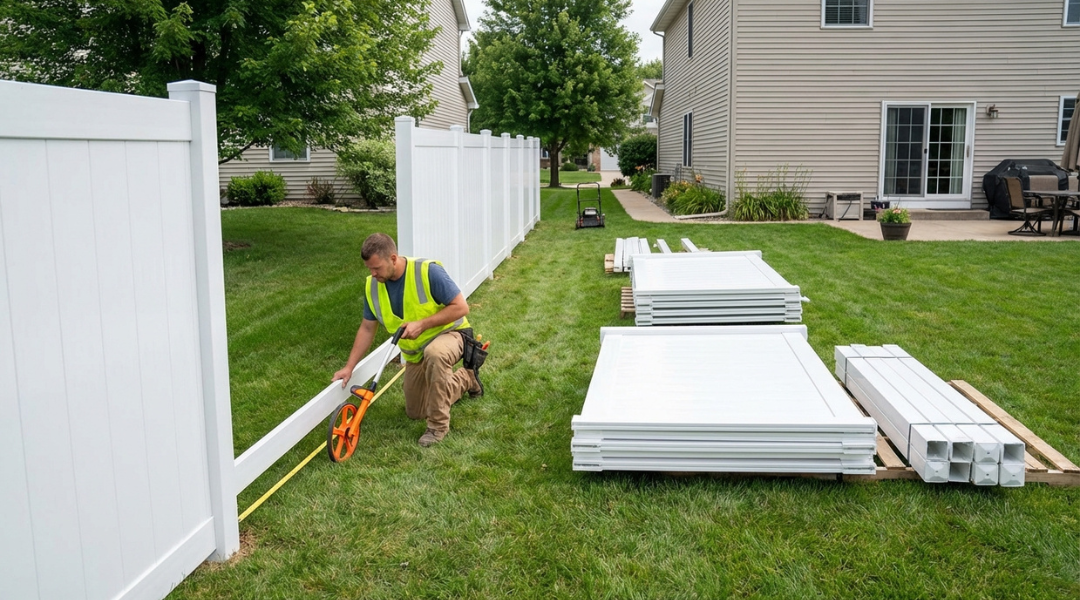
Professional fence installation quotes often exclude corner posts, gate hardware, and post caps from the per-foot rate. You’ll pay extra for each gate opening, typically $150-500 depending on size and style. Aluminum fencing estimates may not account for the special brackets needed at grade changes.
If you’re planning a DIY fence, standard calculations don’t factor in tool rental costs. You’ll need a post hole digger ($15-30 per day), laser level ($25-40 per day), and possibly a concrete mixer. These rentals add $100-200 to your project before you install a single post.
Site Conditions Often Excluded
Rocky soil, tree roots, and underground utilities change everything about fence installation. Hard ground requires specialized augers that cost $75-150 per day to rent, and rocky conditions can double the time needed to dig each post hole.
Slopes require stepped or racked fence panels, which increase material waste by 15-25%. Your estimate for fence materials might not account for the extra posts needed on uneven terrain. A property with a 10-degree grade might need posts every 6 feet instead of the standard 8 feet.
Utility line markings are free, but working around marked lines adds labor time. Some fence projects require hand-digging near utilities instead of using power equipment. This can add 2-3 hours per post in affected areas.
Material Scope Versus Installation Scope
Your quote might list all fence materials but exclude the concrete needed for post stability. Each post requires 1-2 bags of concrete at $5-8 per bag, adding $200-400 for a typical 100-foot fence line.
DIY fence installation estimates often miss the distinction between buying materials and having them delivered. Lumber yards charge $75-150 for delivery, and you’ll make multiple trips for forgotten items like galvanized screws, brackets, or gate hinges. These small purchases add $50-100 to your budget.
Professional quotes may specify materials without clarifying finishing work. Staining or sealing pressure-treated lumber costs an additional $1-2 per linear foot in materials alone, plus 3-4 hours of labor for a standard residential fence.
Site And Ground Complications In Riverside
Riverside’s soil conditions and terrain present unique challenges that can increase fence installation costs significantly. These underground and surface issues often don’t show up until work begins, making them easy to overlook during initial planning.
Expansive Soils And Deeper Footings
Riverside sits in an area known for expansive clay soils that swell when wet and shrink during dry periods. This constant movement puts extra stress on fence posts and can cause them to shift or lean over time.
To combat this, installers need to dig deeper post holes than in areas with stable soil. Standard post holes might be 24 inches deep, but expansive soils often require 30 to 36 inches or more. This means more time with the post-hole digger and additional labor costs.
You’ll also need more concrete per post. A concrete mixer will be running longer to fill those deeper holes and create a more stable foundation. Some contractors use specialized concrete mixes designed for expansive soils, which cost more than standard concrete but provide better long-term stability.
Slopes, Retaining Edges, And Step Downs
Many Riverside properties have sloped yards that require special fencing techniques. Installing a fence on a slope isn’t as simple as following the ground’s natural contour.
Installers use a string line to determine whether to step the fence down in sections or rack it at an angle. Stepped fences require more precise measurements and additional cuts, increasing labor time. Each step-down also needs posts set at varying depths to maintain consistent height above ground.
If your slope is severe, you might need retaining edges or grading work before the fence can go up. This ground preparation adds both material and labor costs that aren’t included in basic fence quotes.
Demolition And Haul-Away Of Existing Fences
Removing an old fence before installing a new one creates more work than many homeowners expect. Old posts set in concrete require extra effort to extract, especially if they’ve been in the ground for years.
Breaking up and removing old concrete footings takes time and specialized tools. The debris needs to go somewhere, and disposal fees at Riverside waste facilities aren’t always cheap. Some old fencing materials contain treated wood or metal that requires special handling.
Most contractors charge separately for demolition and haul-away services. If your existing fence runs along a long property line, removal costs can add hundreds or even thousands of dollars to your project total.
Administrative And Compliance Expenses
Fence projects require official approvals and documentation that cost money before any posts go in the ground. Most homeowners budget for materials and labor but forget about permit fees, association reviews, and utility location services that can add $200 to $800 to the total cost.
Permit Fees And Plan Submittals
Your local building department charges fees to review and approve your fence plans. These permit fees typically range from $50 to $400 depending on your municipality and the fence length. Some areas charge a flat rate while others calculate fees based on the project value or linear footage.
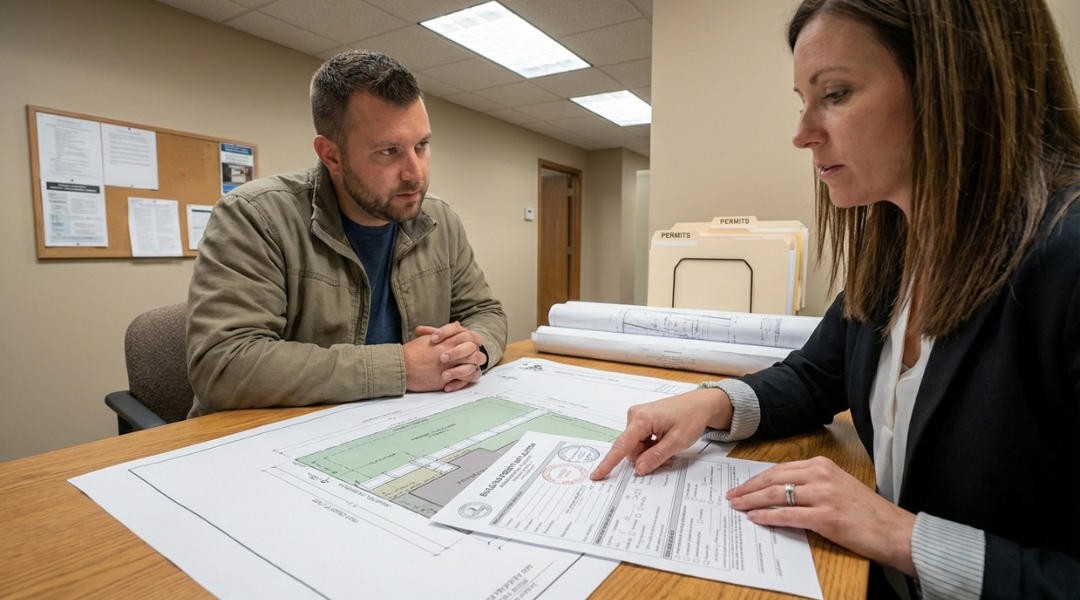
You’ll need to submit detailed plans showing fence location, height, materials, and property lines. Many jurisdictions require a plot plan or site survey with your application. Plan review can take anywhere from a few days to several weeks, and failed inspections mean additional fees to re-submit corrected plans.
Certain fence types trigger higher permit costs. Privacy fences over six feet tall often require structural engineering stamps. Fences near easements or flood zones need special approvals that increase both time and expense.
HOA Review Requirements
Homeowners associations charge review fees separate from municipal permits. Your HOA typically charges $100 to $300 just to review your fence proposal. This fee applies even if they reject your design.
Most associations require specific materials, colors, and styles that match neighborhood standards. You may need to submit multiple plan revisions before approval. Each revision can trigger additional review fees. Some HOAs also require architectural committee meetings, which only happen monthly and can delay your project by weeks.
Utility Marking And Survey Clarification
Utility location services are often free through your state’s 811 system, but they only mark public utilities. You’re responsible for locating private lines like sprinkler systems, low-voltage lighting, or private water lines. Professional private utility location costs $150 to $400.
A property survey ensures your fence stays within your property lines. New surveys cost $300 to $600 for standard residential lots. Using old surveys risks building on your neighbor’s property, which requires expensive fence removal and relocation. Corner stakes from previous surveys may have shifted or disappeared, making professional verification necessary to avoid legal disputes.
Cost Patterns Observed By All Counties Fence & Supply
After years of installing fences across different properties, All Counties Fence & Supply has noticed three main areas where homeowners face unexpected costs. Site conditions often reveal challenges only visible during installation, material preferences shift once homeowners see samples in person, and gate features frequently expand beyond the original plan.
Change Orders Triggered By Soil Findings
Your soil type has a direct impact on installation costs, and you won’t always know what’s underneath until digging begins. Rocky soil requires specialized drilling equipment and extra time to set posts properly. Clay-heavy ground often needs additional concrete to secure posts and prevent shifting over time.
All Counties Fence & Supply reports that approximately 30% of projects require soil-related adjustments once work starts. These changes typically add $200 to $800 to your total project cost depending on the severity of the soil conditions.
Common soil challenges include:
- Large rocks that require removal or relocation of post holes
- Tree roots that interfere with planned fence lines
- Sandy or loose soil that needs deeper post setting
- High water tables that complicate concrete curing
Labor costs increase when crews encounter unexpected soil conditions because the work takes longer and may require multiple trips to complete post setting and allow proper curing time.
Upgrades From Standard To Premium Materials
Most homeowners start with a budget-friendly material in mind but change their plans after seeing premium options. All Counties Fence & Supply finds that nearly 40% of customers upgrade their material choice during the planning phase.
A standard wood fence might cost $20 to $30 per linear foot, while premium cedar or composite materials range from $40 to $60 per linear foot. That difference adds up quickly on a 200-foot fence line, turning a $5,000 estimate into an $8,000 to $10,000 project.
The most common upgrades include moving from chain-link to vinyl, switching standard pine to cedar, or adding decorative post caps and trim work. Each upgrade improves appearance and durability but requires adjusting your budget before installation begins.
Gate Hardware And Automation Additions
Basic gate hardware like hinges and latches typically runs $50 to $150 per gate, but your costs rise when you add security or convenience features. All Counties Fence & Supply sees many homeowners add self-closing hinges, keypad locks, or magnetic latches after realizing how often they’ll use the gate.
Gate hardware costs break down as follows:
| Hardware Type | Price Range |
|---|---|
| Basic latch and hinges | $50-$150 |
| Self-closing hinges | $100-$200 |
| Keypad or smart locks | $150-$400 |
| Automatic gate opener | $800-$2,000 |
Automated gate systems represent the biggest jump in cost. Installation requires electrical work and specialized hardware, which increases both material and labor costs significantly. Double gates for driveways cost even more due to the need for paired operators and additional structural support.
Long-Term Implications Of Underbudgeting
When you cut corners on your fence budget, the financial impact extends far beyond the initial installation. Poor planning leads to maintenance issues that compound over time and can affect your property’s market value.
Delayed Maintenance And Accelerated Wear
Your fence needs regular upkeep to maintain its condition. When you underbudget initially, you often lack funds for proper maintenance.
Wood fences require staining or sealing every 2-3 years. Metal fences need rust treatment and protective coatings. Without these treatments, your fence deteriorates faster than expected.
Skipping maintenance saves money now but costs more later. A wood fence that should last 15 years might only survive 7-8 years without proper care. The replacement cost will be your full responsibility since manufacturer warranties typically don’t cover neglect.
You might notice warping, rotting, or rust appearing within just a few years. These problems spread quickly once they start. A small rust spot on a metal post can compromise the entire section’s stability within months.
Structural Shortcuts And Future Repair Costs
Budget pressure often forces homeowners to accept cheaper materials or rushed installation. These shortcuts create expensive problems down the road.
Shallow post holes save installation time but reduce stability. Posts should be buried at least 2 feet deep in most climates. Anything less means your fence will lean or collapse sooner.
Inadequate concrete foundations lead to wobbly posts within 1-2 years. You’ll pay $75-150 per post for repairs, which adds up quickly across a whole fence line. Quality posts with proper concrete placement typically carry 5-10 year warranties, but these warranties become void if installation wasn’t done correctly.
Lower-grade materials may look acceptable at first. However, thin gauge metal bends easily in wind, and untreated wood splits faster in temperature changes.
Property Value Perception And Buyer Scrutiny
Your fence condition directly influences how potential buyers view your entire property. A deteriorating fence signals neglect to home inspectors and buyers.
Real estate agents report that poor fencing can reduce offers by 2-5% of your home’s value. On a $300,000 property, that’s $6,000-15,000 in lost value. Buyers often request repairs or credits at closing when they spot fence problems.
Home inspectors specifically examine fence stability and condition during property assessments. They note leaning posts, rust damage, rotting wood, and missing sections in their reports. These findings give buyers negotiating power or cause them to walk away entirely.
A quality fence adds to your property value and curb appeal. A failing fence does the opposite, making your entire yard look unmaintained regardless of your landscaping efforts.