Planning a new fence in Riverside means understanding what you’ll actually pay per linear foot in 2026. Material choices, labor rates, and site conditions all shape your final cost. Getting clear numbers early helps you budget properly and avoid surprises.
Fence costs in Riverside typically range from $12 to $38 per linear foot for a standard 4-foot installation, with chain link at the lower end and vinyl at the higher end. Wood privacy fences fall in the middle at $20 to $28 per linear foot. These ranges reflect installed prices and give you a realistic starting point for comparing options.
Your specific project cost depends on factors like fence height, material grade, terrain challenges, and whether you need gates or permits. This guide breaks down pricing by material type, explains what drives costs up or down in Riverside, and shows you how to interpret estimates from contractors. You’ll also see real pricing patterns observed by All Counties Fence & Supply based on local installations.
Cost Ranges by Material Type in 2026
Riverside fence installations in 2026 range from $8 to $75 per linear foot installed, with material selection driving most of the cost difference. Labor rates in Riverside typically run $5 to $25 per linear foot depending on installation complexity and the specific material you choose.
Wood Fence Price Per Linear Foot
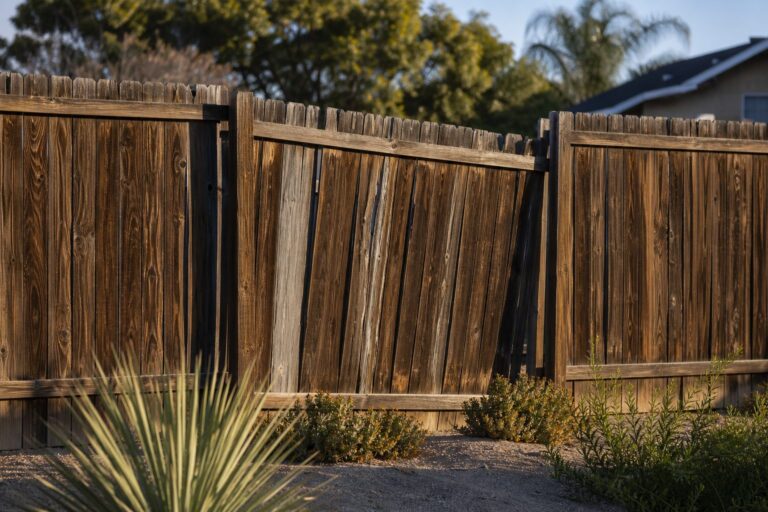
Wood fencing in Riverside costs $15 to $27 per linear foot installed for standard privacy fence installations. Pressure-treated pine starts at $8 to $12 per linear foot for materials alone, while cedar and redwood materials range from $15 to $25 per linear foot before installation.
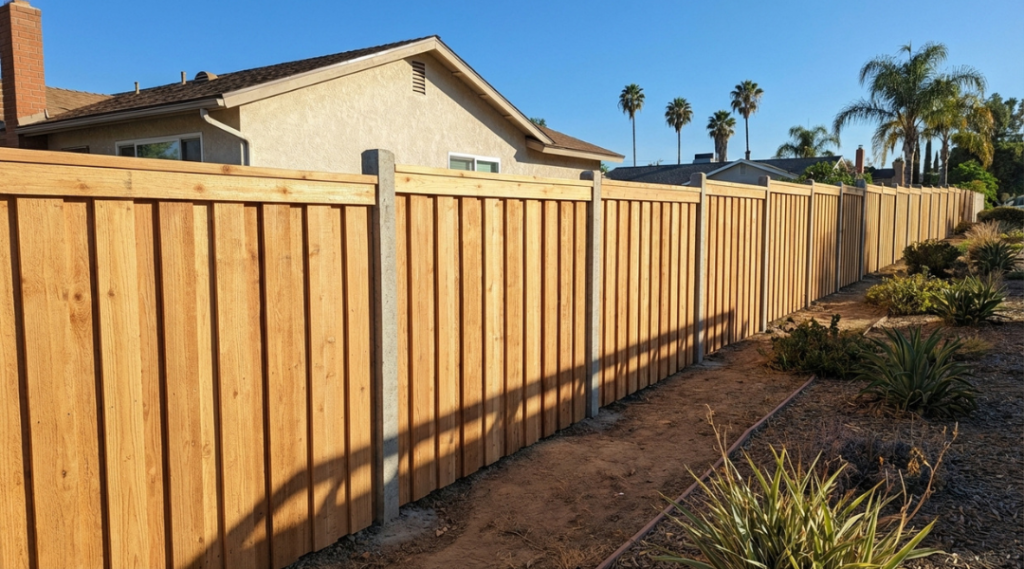
Your wood fence cost depends heavily on the wood species you select. Pine offers the most budget-friendly option but requires regular maintenance every 2-3 years. Cedar naturally resists rot and insects, adding $4 to $8 per linear foot compared to pine.
A 6-foot privacy fence cost typically falls in the $18 to $25 per linear foot range when professionally installed. Labor adds $7 to $12 per linear foot to your material costs. Decorative options like lattice tops or shadowbox designs increase costs by 15-30% over basic board-on-board construction.
Picket fence cost runs lower at $10 to $20 per linear foot installed since 3-4 foot picket fences use less material than full privacy installations.
Vinyl Fence Price Per Linear Foot
Vinyl fence cost in Riverside ranges from $15 to $30 per linear foot installed in 2026. Materials account for $10 to $20 per linear foot, with installation adding $5 to $10 per linear foot to your total project cost.
Higher-grade UV-resistant vinyl costs 20-30% more than standard vinyl but maintains its color and integrity for 20+ years without painting or staining. You’ll find white vinyl at the lower end of the price spectrum, while custom colors and textured finishes that mimic wood grain add $3 to $7 per linear foot.
Vinyl privacy fences match wood privacy fence costs at $20 to $30 per linear foot but eliminate ongoing maintenance expenses. The material won’t rot, warp, or require repainting. Cold weather can cause cracking in lower-quality vinyl, so selecting products rated for temperature extremes matters in Riverside’s climate.
Wrought Iron and Steel Pricing
Wrought iron fencing represents the premium end of the cost spectrum at $40 to $75+ per linear foot installed. Materials alone cost $25 to $50 per linear foot, with specialized installation adding $15 to $25 per linear foot due to the technical expertise required.
Ornamental steel offers a similar appearance at $35 to $60 per linear foot installed. You’ll pay for both security and visual appeal with these materials. Custom designs, curved sections, and decorative finials increase costs by 25-50% over standard patterns.
Aluminum fence cost provides a more affordable alternative at $20 to $40 per linear foot installed. Aluminum won’t rust and requires minimal maintenance while delivering a similar aesthetic to wrought iron. Materials cost $15 to $30 per linear foot, with installation adding $5 to $10 per linear foot.
Chain-Link Cost Spectrum
Chain link fence cost remains the most economical option at $8 to $15 per linear foot installed. Materials run $4 to $8 per linear foot, making chain-link ideal for large perimeter fencing where budget constraints exist.
Galvanized steel represents the standard choice at the lower price point. Vinyl-coated chain-link adds $1 to $2 per linear foot but offers color options (typically black, green, or brown) and slightly improved aesthetics. A 6-foot chain-link installation costs $12 to $15 per linear foot compared to 4-foot heights at $8 to $12 per linear foot.
Privacy slats inserted into chain-link mesh add $2 to $4 per linear foot to your material costs. This option gives you privacy at a lower total cost than wood or vinyl alternatives.
Custom Gates and Automation Adders
Gates are priced separately from your fence cost per linear foot calculations. Basic walk-through gates in Riverside cost $150 to $400 installed, varying by material and width.
Double driveway gates range from $800 to $2,500+ depending on material and span width. Wood and chain-link gates fall at the lower end, while wrought iron or aluminum driveway gates reach the higher price points.
Automatic gate openers add $850 to $3,500 to your project cost. Basic swing gate operators start at $850 to $1,500, while sliding gate automation systems cost $1,200 to $2,800. Remote controls, keypads, and smartphone integration add $200 to $700 to automation costs.
You should budget an additional 10-15% of your total fence cost to account for gates and entry points when planning your project.
What Drives Fence Pricing in Riverside
Riverside’s unique climate, soil makeup, and local regulations create specific cost factors that affect both materials and labor. Installation challenges from hard ground and strict permitting add to your total fence budget.
Soil Conditions and Installation Complexity
Riverside soil tends to be clay-heavy with rocky patches, especially in hillside areas and older neighborhoods. This makes digging post holes harder and slower than in areas with softer soil. Your installer may need specialized equipment like augers or jackhammers to break through caliche layers.
Hard soil increases labor time by 20-40% compared to standard installations. Workers spend more time per post, which raises your per-foot cost. Some installers charge extra for difficult terrain or rocky ground conditions.
Slopes and uneven property lines require stepped or racked fence designs. These custom installations need more precise measurements and additional materials. Your contractor will likely charge $5-12 more per linear foot for sloped installations.
Heat, Sun Exposure, and Material Longevity
Riverside temperatures often exceed 100°F in summer, with intense UV exposure year-round. This climate directly affects which materials last longest and hold up to daily sun damage. Wood fences fade and crack faster here than in cooler regions.
Material Performance in Riverside Heat:
- Wood: Requires sealing every 2-3 years; prone to warping
- Vinyl: UV-stabilized types resist sun damage best
- Metal: Heats up significantly but doesn’t degrade
- Chain-link: Most heat-resistant and low-maintenance
Cheaper materials often fail within 5-7 years in Riverside’s climate. You’ll pay more upfront for UV-protected vinyl or treated wood, but replacement costs add up quickly with budget options.
Permit Norms and Property Line Constraints
Riverside County requires permits for most fences over 6 feet tall. Your fence must sit at least 3 feet back from sidewalks and maintain specific height limits near street corners. Corner lot properties face stricter visibility requirements.
Permit fees run $200-400 depending on fence length and height. Processing takes 2-4 weeks, which can delay your project start date. Some HOAs add their own approval requirements on top of county rules.
Property line surveys cost $300-600 but prevent disputes with neighbors. Many contractors won’t start work without a current survey showing exact boundaries. Encroaching on a neighbor’s property leads to expensive removal and reinstallation.
Residential vs Commercial Site Variables
Residential fence installation labor costs $15-25 per linear foot in Riverside for standard projects. Commercial sites typically pay $22-35 per foot due to larger scale and stricter building codes.
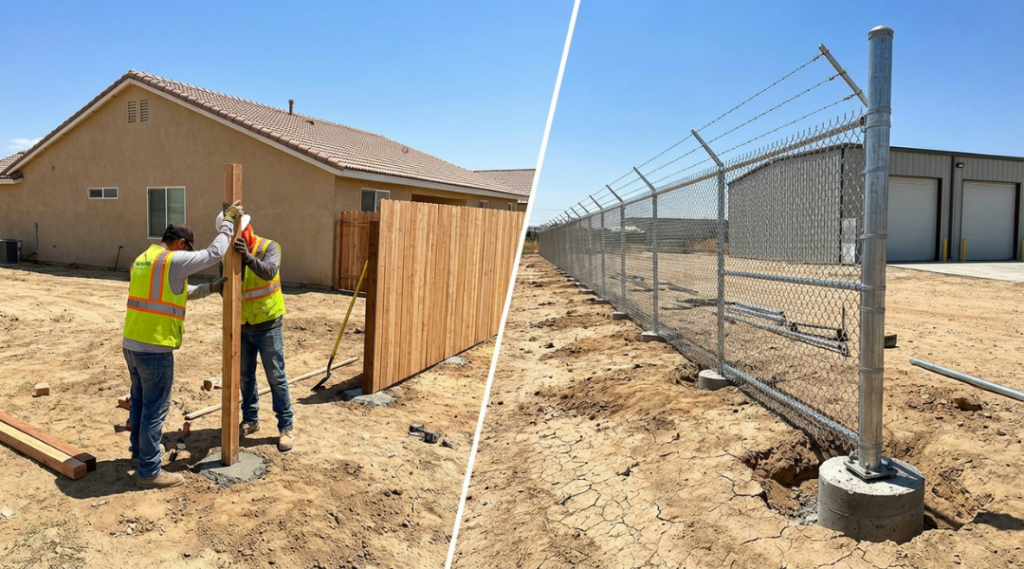
Commercial properties need thicker posts, deeper footings, and often require engineered drawings. Security requirements add costs for taller panels and reinforced gates. Your business may also need specific fence types to meet zoning or insurance requirements.
Residential jobs usually finish in 2-4 days for a typical backyard. Commercial installations take 1-2 weeks due to permit inspections and more complex layouts. Weekend or after-hours work for businesses adds 15-25% to labor rates.
How Material Choice Alters Long-Term Cost
The fence you pick today shapes your spending for years ahead. Materials with low upfront prices often demand more repairs, repainting, or full replacement, while pricier options can save you money through lower maintenance needs.
Upfront Installation vs Lifecycle Expense
Wood fences in Riverside typically cost $15–$35 per linear foot installed, making them affordable at first. However, you’ll need to restain or reseal every 2–3 years. Professional staining runs $1–$3 per square foot, which adds up quickly on a 6-foot-tall fence.
Vinyl costs $15–$40 per linear foot installed—higher than wood initially. But you’ll only need occasional washing with soap and water. Over 10 years, vinyl often costs less than wood when you include labor and materials for repeat maintenance.
Chain-link sits at $8–$40 per linear foot installed depending on height and coating. Galvanized versions need minimal upkeep beyond checking tension and connections. The lower maintenance frequency means your total spending stays closer to the installation price.
Maintenance Cycles and Replacement Timelines
Wood fences last 10–15 years in Riverside’s dry climate before boards start warping or rotting. You’ll replace damaged pickets along the way, and many homeowners refinish the entire fence 3–5 times during its lifespan.
Vinyl fences can last 20–30 years with almost no work beyond cleaning. UV damage is your main concern in sunny Riverside, so check that your vinyl includes UV stabilizers. Cracks from impacts are rare but require panel replacement.
Chain-link fences often reach 20–30 years or more. Galvanized or vinyl-coated wire resists rust better than bare steel. You’ll spend time tightening sagging sections and replacing damaged ties, but these fixes are quick and inexpensive.
Aluminum fences can last up to 50 years with powder-coated finishes. Salt air isn’t a major issue in Riverside, so corrosion stays minimal. Plan to touch up scratches or dings to prevent oxidation from spreading.
Security Level vs Aesthetic Value
Privacy fences like solid wood or vinyl panels block sightlines completely. They cost more per foot because they use more material and require stronger posts to handle wind load. If security or privacy matters most, you’ll pay $20–$40 per linear foot for quality installations.
Chain-link offers visibility but little privacy. It’s practical for containing pets or marking boundaries without blocking views. Some buyers add privacy slats, which cost $1–$3 per linear foot of material.
Ornamental aluminum or wrought iron provides security with curb appeal. These materials run $25–$40 per linear foot installed. You get durability and style, but no privacy unless you add fabric screens.
Impact on Property Use and Resale
A well-maintained wood fence appeals to buyers who value traditional looks. Rotting or peeling paint signals deferred maintenance and can lower offers. Replacing it before listing costs time and money.
Vinyl fences attract buyers looking for low upkeep. Clean, intact panels show the property was cared for. Faded or cracked vinyl looks cheap and may hurt perceived value.
Chain-link works well for large yards or rental properties where function beats appearance. Buyers focused on pet containment or cost control see it as practical. Design-focused buyers may request replacement as a condition of sale.
Decorative fencing like aluminum or ornamental iron raises curb appeal in mid-range and high-end markets. You’re more likely to recover installation costs through higher resale prices when the style matches neighborhood standards.
Cost Patterns Observed by All Counties Fence & Supply in Riverside
All Counties Fence & Supply has tracked distinct pricing patterns across Riverside since 1978, revealing how location, project changes, and timing affect your final fence cost. Their 40+ years of local experience shows predictable variations based on where you live and when you schedule work.
Neighborhood Variations Across Riverside
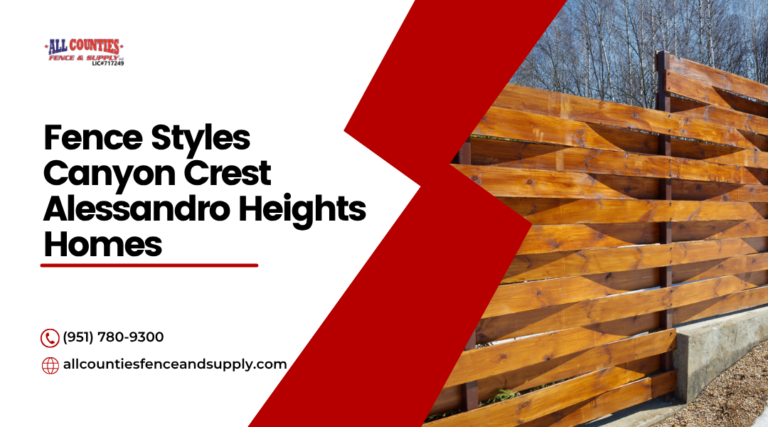
Fence costs shift by $3 to $8 per linear foot depending on your Riverside neighborhood. Properties in hillside areas like Canyon Crest or Alessandro Heights typically add $5 to $12 per linear foot due to sloped terrain requiring specialized post installation and additional concrete footings.
Older neighborhoods with established landscaping often need extra labor for root removal and underground utility marking. These areas can increase total costs by 15% to 25% compared to newer developments with clear, level ground.
Gated communities and historic districts may require specific fence styles or approval processes. These requirements can extend project timelines by two to three weeks and add premium materials to meet HOA standards. All Counties Fence has noted that vinyl and ornamental iron installations in these areas run $8 to $15 higher per linear foot than standard installations.
Common Scope Adjustments Affecting Final Totals
Most Riverside homeowners modify their fence projects after the initial estimate, which changes final pricing. Adding gates represents the most frequent adjustment, with single gates adding $350 to $800 and double gates running $700 to $1,500 depending on material and automation features.
Height modifications create significant cost differences. Upgrading from a 4-foot to 6-foot privacy fence increases material costs by 40% to 50% per linear foot. This change also requires deeper post holes and more concrete for structural stability.
Other common adjustments include:
- Post spacing changes: Reducing spacing from 8 feet to 6 feet adds $4 to $7 per linear foot
- Premium lattice tops: Add $8 to $14 per linear foot
- Decorative post caps: Range from $15 to $45 per post
- Staining or sealing: Add $2 to $5 per linear foot for wood fences
Removing existing fencing adds $3 to $8 per linear foot depending on material type and disposal requirements.
Seasonal Scheduling and Labor Availability
Labor rates in Riverside fluctuate based on seasonal demand patterns All Counties Fence tracks throughout the year. Spring and early summer see the highest demand, often adding 10% to 15% to labor costs due to limited contractor availability.
Fall installations offer the most competitive pricing. September through November typically provides better rates and faster scheduling, with crews available within one to two weeks instead of four to six weeks during peak season.
Winter weather rarely disrupts fence installation in Riverside, making December through February another cost-effective window. However, holiday schedules can limit crew availability during the last two weeks of December and first week of January.
Rush installations requested within five business days carry premium charges of $200 to $600 depending on project size. Standard scheduling allows All Counties Fence to optimize crew routing and material delivery, keeping your costs lower.
Defining Scope and Interpreting Estimates
Linear foot pricing gives you a baseline for comparing fence materials and contractors, but the final cost depends on what each estimate includes and excludes. Understanding these details helps you avoid surprise charges and compare quotes accurately.
What Linear Foot Pricing Includes
Most fence installation cost quotes include both materials and basic labor when contractors list a per-foot price. The materials cover fence panels or boards, posts, rails, caps, and standard hardware like nails or screws. Labor includes digging post holes, setting posts in concrete, attaching rails and panels, and basic cleanup.
Your fence cost calculator results typically assume level ground and straight runs with posts spaced at standard intervals. For wood fences, this means posts every 6 to 8 feet. For chain link or vinyl, posts usually sit 8 to 10 feet apart.
Standard heights fall within normal ranges for each material. Wood privacy fences usually measure 6 feet tall, while decorative aluminum or vinyl options range from 3 to 5 feet. If your project fits these basic parameters, the per-foot price gives you a reliable estimate.
Items Typically Excluded from Base Quotes
Gates add significant cost beyond the linear foot price for fence panels. A basic walk-through gate costs $150 to $500 installed, while double drive gates run $600 to $3,000 depending on width and material.
Fence installation costs often exclude permit fees, which range from $50 to $400 in Riverside depending on fence height and location. You need permits for most fences over 6 feet tall or fences near property lines.
Contractors charge extra for removing old fencing, usually $3 to $5 per linear foot. Underground utility marking is your responsibility and must happen before digging starts. Sloped yards require stepped or racked installation, adding $2 to $8 per foot. Rocky or hard soil increases labor costs by 20% to 50% due to difficult digging conditions.
When Per-Foot Comparisons Break Down
Per-foot pricing works well for simple residential projects with 100 to 300 linear feet of fencing. But this method becomes less useful for very short runs under 50 feet, where minimum service charges apply. Many contractors charge $500 to $1,000 minimum regardless of fence length.
Complex layouts with multiple corners, curves, or elevation changes make the cost to install a fence harder to estimate per foot. Each corner requires an extra post and bracing, adding $75 to $150. Curved sections need custom cuts and closer post spacing.
Very large projects over several acres often qualify for volume discounts that reduce the per-foot rate by 10% to 30%. Your fence cost estimator should account for these savings on properties requiring more than 1,000 linear feet. Projects with premium customization like decorative post caps, lattice tops, or custom staining require itemized quotes rather than simple per-foot calculations.