Fences are integral to your property’s security and aesthetics, but they can face wear and tear over time. Understanding common fence repair issues helps you keep your fence in top condition and extends its lifespan. This article will guide you through ten typical fence problems and offer practical solutions that empower you to tackle repairs confidently.
From warped boards to rusted hinges, each issue can detract from your fence’s appearance and function. All Counties Fence & Supply, your trusted fence contractor in Riverside, California, has encountered it all and is ready to share the expertise you need. Knowing how to identify and fix these common problems can save you time, money, and the hassle of professional repairs.
By the end of this post, you’ll discover actionable tips that could help you restore your fence, maintaining not just its structural integrity but also enhancing the curb appeal of your home. Let’s dive into these common fence repair issues and take the first step toward a more secure and attractive property.
Leaning or Sagging Fence Posts
Leaning or sagging fence posts can weaken your fence’s structure and diminish its visual appeal. Understanding the causes of this issue helps you take proper action to secure your fence.
Causes: Soil Erosion, Rot, or Poor Installation
Several factors can lead to leaning or sagging fence posts. Soil erosion is a common issue, especially in areas with heavy rain or wind. As the soil around your fence posts washes away, they lose support and begin to lean.
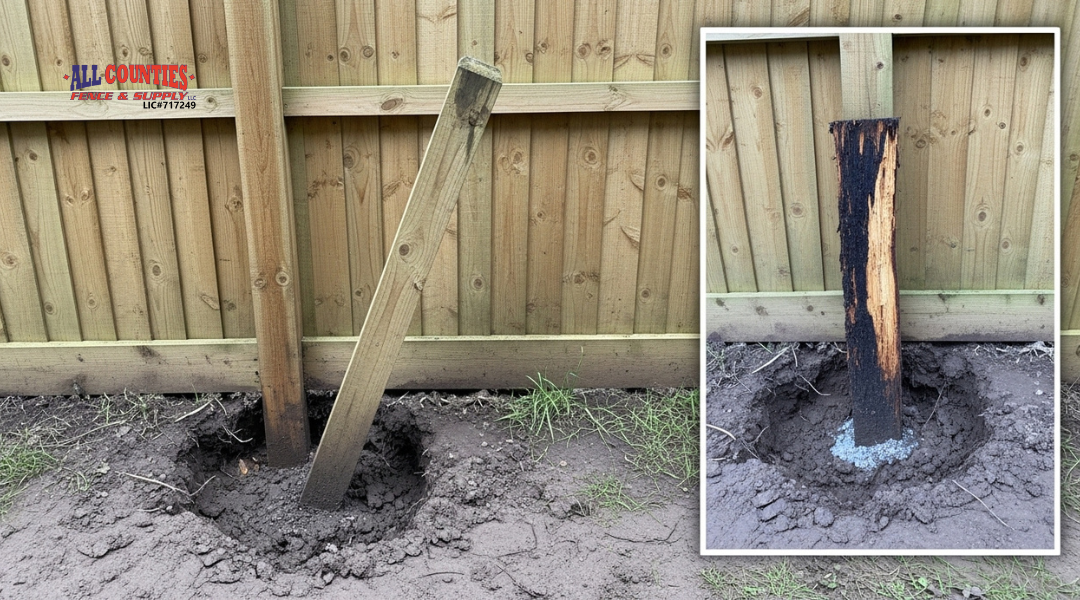
Another cause is wood rot, which occurs when moisture seeps into untreated wood. Rot weakens posts, making them less stable. You should inspect the base of each post for signs of decay.
Finally, poor installation can contribute significantly. If posts are not set deep enough in the ground or were not secured properly, they are more likely to sag over time. Ensuring that your posts are installed correctly is key to long-term stability.
Fix: Reinforcing or Replacing Fence Posts
To fix leaning or sagging posts, you have two main options: reinforcing existing posts or replacing them. If your posts are merely leaning, you can use bracing supports. Set the post upright and secure it with some 2×4 boards. Using concrete or spray hardening foam can help stabilize the post in its hole.
If rot is the problem, you may need to replace the post entirely. Remove the damaged post and dig a new hole to set a fresh post in concrete. Make sure the new post is treated to resist moisture and is properly secured deep in the ground.
By addressing these issues promptly, you can maintain the strength and appearance of your fence.
Broken or Missing Fence Boards
Broken or missing fence boards can greatly impact the integrity and appearance of your fence. Addressing this issue promptly is essential to maintain your yard’s safety and aesthetic.
Causes: Weather Damage, Aging Wood, or Impact
Weather can take a toll on your fence boards. Rain, wind, and extreme temperatures can lead to cracking and warping. For wooden fences, moisture can cause rot, leading to boards breaking over time.
Another cause is aging wood. As wood gets older, it naturally weakens. Factors like sun exposure can dry out the wood, making it prone to splintering.
Lastly, impact from sports equipment, animals, or falling branches can break boards. These damages are often sudden but can be easily noticed and fixed.
Fix: Replacing Damaged Boards with Matching Materials
Replacing broken boards is a straightforward task. Start by removing the damaged board using the right tools. If nails are stuck, a pry bar can help extract them smoothly.
When selecting new boards, ensure they match your existing fence. Choosing the same wood type and stain will maintain visual consistency. This is important for the overall look of your fence.
Once you have matching materials, install the new board. Secure it tightly using ** screws** or nails. Be sure to check for stability to prevent future issues. Regular maintenance, like inspections after storms, can help prevent the need for extensive repairs down the line.
Rusted or Damaged Metal Fencing
Rusted or damaged metal fencing can affect both the appearance and security of your property. Understanding the causes and fixes for these issues helps you address them effectively.
Causes: Moisture Exposure and Lack of Coating
Moisture is one of the primary causes of rust in metal fencing. When metal is exposed to rain or humidity, it can begin to corrode.
Additionally, the absence of a protective coating can accelerate this process. If your fencing lacks paint or a sealant, it is vulnerable to rust.
Tree branches or debris can also trap moisture against the metal. This creates an environment where rust thrives.
Regular inspections and maintenance are essential. Check for signs of rust or wear to prevent extensive damage.
Fix: Sanding, Painting, or Section Replacement
To fix rusted metal fencing, start with sanding. Remove the rusted areas using sandpaper or a wire brush. This helps create a smooth surface for further treatment.
Next, apply a rust-inhibiting primer followed by paint designed for metal. This coating protects against future rust.
If the damage is extensive, consider replacing sections of the fence. Use matching materials to maintain a consistent look.
Regular maintenance and timely repairs can save you money and prolong the life of your fencing. Keeping your metal fence in good condition ensures it remains a durable and attractive feature of your property.
Warped or Cracked Wood Panels
Warped or cracked wood panels can weaken your fence and affect its appearance. Understanding the causes and knowing how to fix these issues will help maintain your fence’s integrity.
Causes: Heat, Moisture Fluctuations, or Age
Wood is sensitive to changes in temperature and moisture. When exposed to heat, wood can dry out and warp. Conversely, excessive moisture can cause wood to swell, leading to cracks.
Age also plays a critical role. Older wood panels may be more prone to damage due to long-term exposure to weather conditions.
Here are key factors that contribute to warping or cracking:
- Heat: Prolonged exposure to the sun can dry out wood.
- Moisture Fluctuations: Rapid changes in humidity can cause the wood to expand and contract.
- Natural Aging: Over time, wood may lose its strength and flexibility.
Fix: Board Replacement and Weatherproofing
If you encounter warped or cracked panels, replacing the damaged boards is often the best solution. To do this:
- Remove the Damaged Panel: Carefully detach the panel from the fence frame.
- Select New Boards: Choose matching wood that blends well with the rest of your fence.
- Install the Replacement: Secure the new board in place using nails or screws.
After replacing the panels, consider weatherproofing. This involves applying a sealant or stain to protect the wood from future damage.
Weatherproofing steps include:
- Cleaning the surface to remove dirt and debris.
- Applying a good quality wood sealant.
- Reapplying every few years for lasting protection.
Taking these steps will help ensure your fence remains strong and visually appealing.
Loose or Broken Fence Hardware
Loose or broken hardware can compromise the integrity of your fence. Understanding the causes and fixes will help you maintain its stability and appearance.
Causes: Vibration, Corrosion, or General Wear
Several factors contribute to loose or broken fence hardware. Vibration from wind or frequent movement can gradually loosen bolts and screws. Hardware may also become corroded due to exposure to moisture and weather elements. If your fence is near saltwater or heavy rainfall areas, corrosion can accelerate quickly.
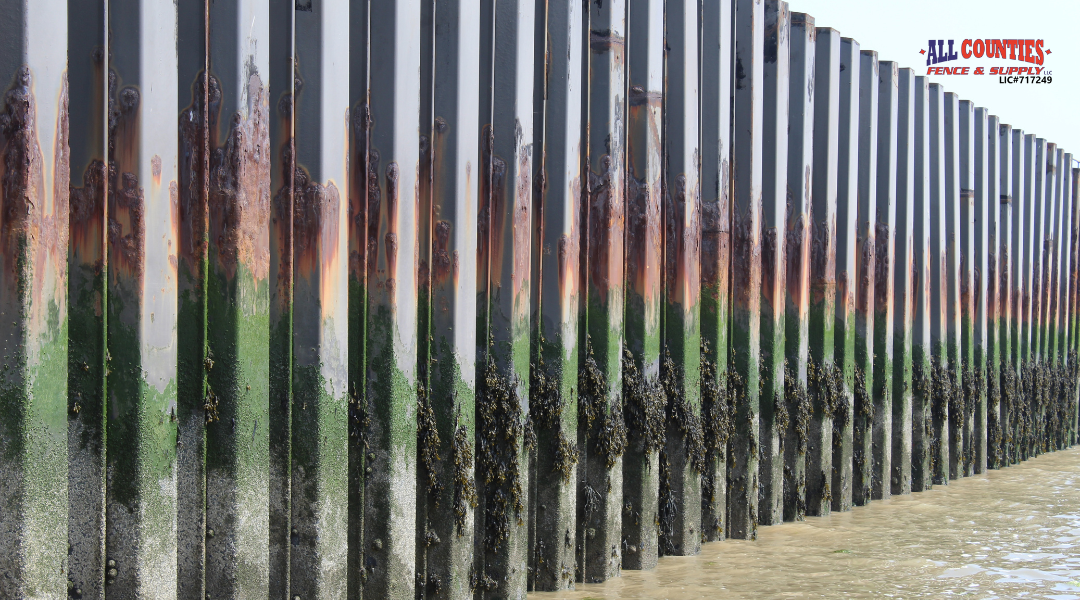
Additionally, general wear and tear over time can weaken hardware. Fences that experience heavy usage, such as gates, are more prone to these issues. Regular inspections can help catch problems early.
Being aware of these causes helps you take proactive steps to maintain your fence.
Fix: Tightening or Replacing Screws, Hinges, and Brackets
To repair loose or broken hardware, begin by tightening all screws, bolts, and nails. Use a suitable tool for each type of hardware. Ensure they are not overtightened, as this could damage the material.
If you find damaged hardware, you must replace it. Remove old hinges, brackets, or screws using pliers or a wrench. Choose high-quality replacements that fit correctly. Stainless steel or galvanized hardware can resist rust and wear.
Regular maintenance checks will help you spot loose hardware before it leads to bigger issues. Keeping your fence secure is essential for both safety and aesthetics.
Rotted Fence Sections
Rotted fence sections can cause serious issues for your property. Knowing the causes and how to effectively fix these problems is essential for maintaining your fence.
Causes: Prolonged Moisture Exposure
Rotted sections usually stem from prolonged exposure to moisture. Rain, snow, and even humidity can weaken the wood over time. When water seeps into the fence, it creates an inviting environment for fungi and insects, leading to decay.
Key factors to consider include:
- Type of wood: Some woods are more resistant to rot than others. Pressure-treated lumber can last longer.
- Poor drainage: If water pools around your fence posts, it can speed up rot.
- Lack of maintenance: Regular treatments and sealants can help protect your fence from moisture.
Understanding these causes can help you take preventive measures and identify issues early on.
Fix: Spot Repairs vs Full Section Replacement
When addressing rotted fence sections, you can choose between spot repairs or full section replacements.
Spot repairs are ideal for minor damage and involve replacing only the rotted area. This method is cost-effective and quicker, but it’s crucial to ensure that the surrounding wood is still sturdy.
Full section replacement is necessary for larger areas of damage. This means removing the entire affected section and installing new materials.
- Look for signs of rot beyond the visible area.
- Consider the age and condition of the rest of the fence. If it’s nearing the end of its lifespan, replacement may be the better option.
By evaluating the extent of the damage, you can select the best solution for your fence repair needs.
Fence Gate Issues (Misalignment or Sagging)
Misalignment or sagging gates can make it difficult to use your fence properly. Knowing what causes these problems and how to fix them is essential for maintaining your fence’s functionality.
Causes: Worn Hinges, Weak Supports, or Soil Shift
Several factors can lead to gate misalignment or sagging. One common issue is worn hinges. Over time, hinges can become loose or damaged. This wear affects the gate’s ability to stay upright.
Weak supports are another significant cause. If the posts that hold your gate in place are not sturdy, they can lean or shift. This often happens due to poor installation or age.
Soil shift can also play a significant role. Changes in moisture can cause the ground to expand or contract. This movement can lead to the posts becoming unstable, resulting in a sagging gate that does not close properly.
Fix: Realignment, Hinge Replacement, or Post Adjustment
You can take specific steps to fix a misaligned or sagging gate. First, check the hinges. If they are worn, consider replacing them. High-quality hinges will improve gate performance significantly.
Next, realign the gate. Loosen the hinges and adjust the gate’s position. Make sure it is level and then tighten the hinges back.
If the posts are weak or unstable, you might need to adjust them. Dig around the base of the post and ensure it is firmly set in the ground. Adding concrete can provide extra support.
Regular maintenance of your fence gate is vital. Addressing these issues promptly will prevent further damage and extend the life of your gate.
Pest Damage (Termites, Insects, or Burrowing Animals)
Pests can seriously harm your fence. It’s important to recognize the signs of damage early and know how to address it properly. Here’s what you need to look for and how to fix the issues.
Signs of Infestation
You should regularly inspect your fence for signs of pest damage. Look for:
- Termite Swarms: These are a clear sign of an active infestation. Swarms typically appear in warm months.
- Hollow Sounds: Tap on the wood. If it sounds hollow, there may be damage inside.
- Mud Tubes: Termites build mud tubes for protection. Finding them means termites are nearby.
- Damaged Wood: Look for wood that crumbles easily or has small holes. This can indicate insect damage.
If you notice any of these signs, it’s crucial to take action quickly. With early detection, you can prevent further damage and save your fence.
Fix: Pest Control + Replacing Damaged Materials
Once you confirm a pest infestation, it’s time to act. First, consider professional pest control. They can assess the situation and apply treatments effectively. For a physical barrier, treat the wood with insecticides that prevent further infestations.
After treating your fence, check for any damaged materials. Replace boards or posts that are beyond repair. Wood that is compromised cannot support your fence properly. Use materials that are resistant to pests, like treated wood or composite materials.
Keep your fence in good condition with regular maintenance. This includes sealing cracks and monitoring for new signs of pests. Proper upkeep can help extend the life of your fence significantly.
Discoloration or Mold/Mildew Growth
Discoloration and mold or mildew growth can affect the appearance and longevity of your fence. Knowing the causes and effective fixes can help you maintain the quality of your fence.
Causes: Rain, Shade, or Poor Airflow
Several factors contribute to the discoloration or growth of mold and mildew on your fence. Rain can lead to moisture buildup, which creates an environment perfect for mold and mildew. Persistent dampness allows these organisms to thrive.
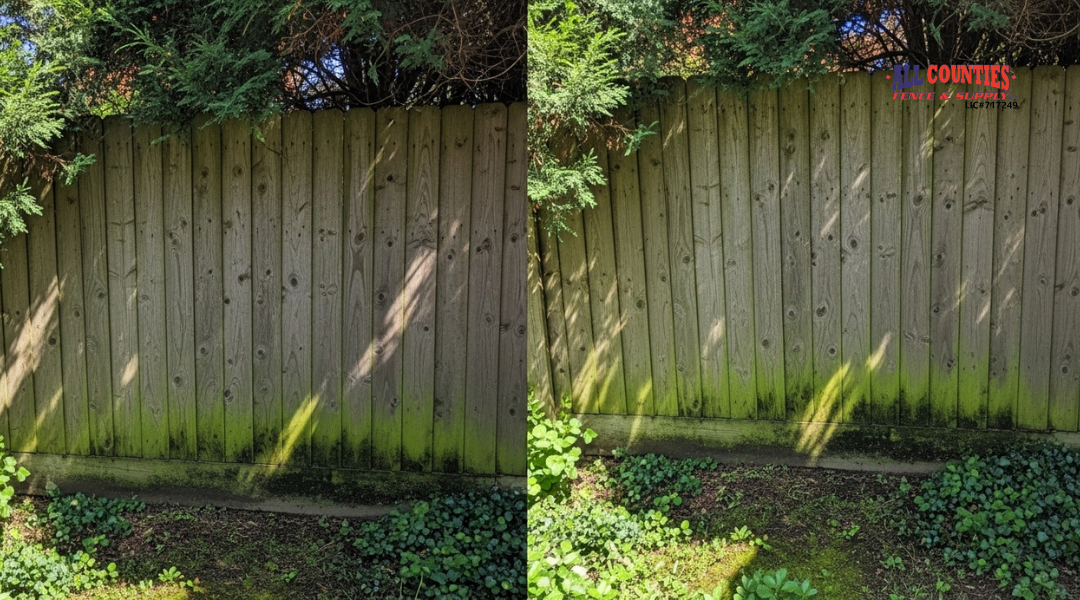
Shade is another common cause. Fences in shaded areas dry more slowly and trap moisture. This limited sunlight can promote the growth of mold and mildew.
Lastly, poor airflow reduces the chance for the fence to dry completely after rain. Adequate ventilation around your fence helps prevent moisture from lingering, making it essential for maintaining a healthy, lasting structure.
Fix: Power Washing and Sealing the Fence
To combat discoloration and mold or mildew, consider power washing your fence. This method effectively removes surface dirt and the growth of mold or mildew. Using a power washer that operates at a lower pressure can help avoid damaging your fence’s material.
After cleaning, apply a good quality sealant. Sealing your fence will help protect it from moisture and UV damage. Make sure the fence is completely dry before sealing to ensure the best adhesion.
To maintain your fence, regularly inspect it for signs of mold or discoloration. Addressing issues early can save you time and money down the road.
Loose or Shifting Fence Panels
Loose or shifting fence panels can compromise the security and aesthetics of your yard. Knowing the causes and proper fixes can help you restore your fence’s integrity.
Causes: Wind or Poor Assembly
Wind can be a major factor in causing fence panels to shift or become loose. Strong gusts can push against panels, especially if they are not properly secured. This can lead to panels leaning or moving out of place.
Another cause is poor assembly. If the fence panels were not installed correctly or if the fasteners are worn out, they might not hold the panels securely. Improper spacing between posts can also contribute to this issue.
Make sure to inspect your fence regularly. Look for signs of movement, loose nails, or weakened posts. Identifying these issues early can help you address them before they worsen.
Fix: Reinforcement with Brackets or Reinstallation
To fix loose or shifting panels, consider using metal brackets for reinforcement. This method involves securing the panels to the posts with sturdy brackets. This provides extra support, making the panels less likely to move in high winds.
If the damage is substantial, you may need to reinstall the panels. Start by removing the affected panels and checking the posts for damage. If needed, replace or strengthen the posts before reinstalling the panels.
Ensure that fasteners are new and in good condition. This will help keep everything tight and secure. Regular maintenance and inspection of your fence can prevent these issues from recurring.
Preventative Maintenance Tips
Taking care of your fence can extend its life and keep it looking great. Regular maintenance and attention to detail will help you avoid costly repairs down the line.
Regular Inspections and Cleaning
Make it a habit to inspect your fence at least twice a year. Look for signs of damage like rot, warped boards, or rust. Early detection can save you time and money on repairs.
Cleaning is also essential. For wood fences, remove dirt and debris with a soft brush and mild soap. Rinse with water to prevent mold. For vinyl fences, spray them down with water to keep them looking new.
Pay special attention to areas where plants touch the fence. Trim away any branches or vines to prevent moisture buildup, which can lead to rot or insect issues.
Proper Sealing and Painting Techniques
Sealing and painting protect your fence from the elements. For wood fences, use a high-quality sealant every few years to guard against water damage and UV rays.
Choose a paint that specifically suits your fence material, whether it’s wood or vinyl. Before applying paint, ensure the surface is clean and dry. This helps the paint adhere properly.
If your fence has previously been painted, scrape off any peeling paint first. This creates a smooth surface and enhances the lifespan of your new paint job.
When to Call a Professional
While many maintenance tasks are DIY-friendly, some issues require professional help. If you notice structural problems, such as leaning or broken posts, it’s best to call in a contractor.
Significant pest infestations, like termites, also need expert treatment. Trying to fix these issues yourself can lead to bigger problems later.
Remember, hiring a professional like All Counties Fence & Supply ensures the job is done correctly and safely. They have the experience to handle complex repairs and maintenance efficiently.
Why Choose All Counties Fence & Supply for Fence Repair
When it comes to fence repair, selecting a reliable contractor makes all the difference. All Counties Fence & Supply brings local expertise, high-quality materials, and dependable service to meet your fencing needs efficiently.
Local Expertise in Riverside’s Climate and Soil Conditions
Riverside has unique climate and soil challenges that can affect your fence’s durability. All Counties Fence & Supply understands these local conditions well.
Your fencing needs to withstand heat, humidity, and occasional heavy rains. The team uses this knowledge to determine the best materials and techniques for repairs. They ensure that your fence can handle the local weather.
This local expertise not only improves the quality of repairs but also extends the life of your fence. When issues arise, you’ll benefit from a team familiar with the specific challenges in Riverside.
High-Quality Materials and Professional Workmanship
Using top-notch materials is key to effective fence repairs. All Counties Fence & Supply sources high-quality lumber, metal, and vinyl for all projects.
The company employs skilled craftsmen who pay attention to detail. Their professionalism ensures that every repair meets high standards. You won’t have to worry about recurring problems after their work is done.
In addition to durability, quality materials can enhance your property’s appearance. This means your repaired fence will look great while also standing strong against the elements.
Reliable, Timely Service and Free Estimates
Timely service is essential for any repair job. All Counties Fence & Supply prides itself on being punctual and efficient. When you call for help, the team responds quickly to evaluate your needs.
They offer free estimates, so you know what to expect before the work begins. You won’t face hidden fees or surprise costs. This transparency helps you make informed decisions about your fence repair.
With reliable service, you can count on them to finish the job on time. All Counties Fence & Supply aims to ensure your satisfaction without unnecessary delays.